
Intermodal Transport
Transportation and the concept of intermodal station are innovative ways of mobilizing goods that involve the use of different modes of transportation, such as roads, railways, and ships, in a coordinated and efficient manner. This synergy between different means optimizes the logistic chain, providing more flexible and sustainable solutions.
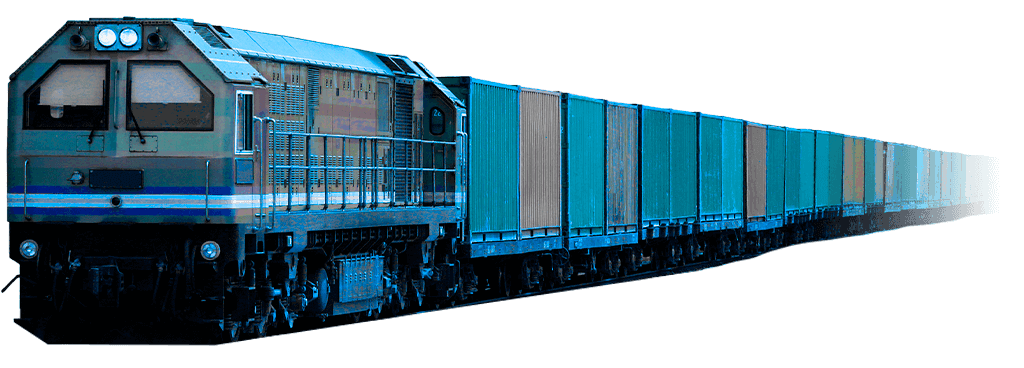

Importance of intermodal transportation
In a globalized market, the importance of intermodal transportation lies in its ability to overcome geographical obstacles and optimize delivery times. By integrating various modes of transportation, greater efficiency and resilience are achieved in the supply chain.
Benefits
Cost optimization
Efficiently combines different modes of transportation, generating financial and energy savings.
Improved visibility
Utilizes advanced technologies to coordinate and monitor the supply chain, allowing for more informed decision-making.
Operational flexibility
Adaptable to changes in demand and market conditions, providing companies with a competitive advantage.
Environmental sustainability
Contributes to emissions reduction and minimizes environmental impact, aligning with growing environmental concerns.
Overall efficiency
The combination of these benefits makes intermodal transportation a comprehensive strategy that drives efficiency, sustainability, and competitiveness in the logistic chain.


